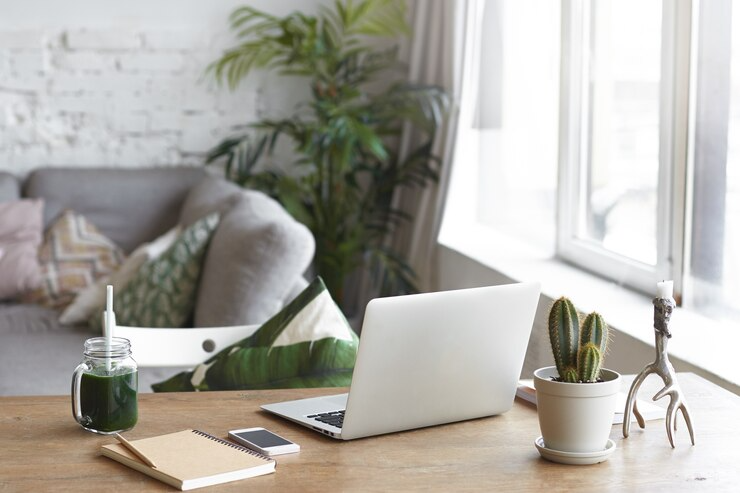
You sit down at the kitchen table for a morning video call, clear it for lunch, then try to focus on a tricky piece of work while someone makes coffee behind you. By the evening, the same table hosts a friend who has dropped by. Most homes, studios, and community venues were built for one job at a time, but daily life now asks them to do three or four. The result is a quiet kind of friction that adds up over a week.
Why One-purpose Spaces No Longer Fit How We Live
Hybrid work has changed what people expect from the rooms around them. According to the Office for National Statistics, 28% of working adults in Great Britain followed a hybrid pattern as of early 2025, splitting their time between home and another setting. That shift has changed how spaces are used at every level, from spare bedrooms to local cafés to village halls.
A single space is now expected to handle focused work, a quick meeting, and a social moment, sometimes within the same afternoon. Home offices double as meeting areas. Cafés have become informal co-working spots. Plenty of people are also working from less obvious places like museum desks or garden rooms. People are now looking for settings that suit the kind of work they need to do.
Designing Rooms That Shift Through The Day
Take a converted creative studio in a market town, the kind of place that used to be a print workshop or a small warehouse. By 9am it might hold a handful of freelancers at long shared desks. By lunchtime the desks are rolled to one side for a workshop. By 6pm the room has soft lighting, a few sofas, and an open-mic night. Same four walls, three different lives in a day.
What makes that possible is rarely the building itself. It is furniture on castors, partitions that fold away, soft surfaces that soak up sound, and lighting that can shift from bright and task-focused to warm and relaxed. Sound and light usually decide whether a room can really change roles. A studio with hard floors and bare walls might look striking, but it will struggle to host both a quiet writing session and a group conversation. A rug, curtains, and a couple of acoustic panels do more than most expensive fit-outs.
Outdoor Areas Are Doing More of The Work
That same studio probably has a small yard at the back, and increasingly that yard is doing real work too. A bench under cover can become a spot for calls. A patio with a proper table turns into an informal meeting room. A garden corner with good seating becomes the place people gravitate to when they need a change of scene.
The trend towards co-working gardens and outdoor event spaces points to the same idea. With the right layout and a few functional upgrades, outdoor areas can support everything from quiet work sessions to informal meetings. Better seating, shelter, and defined zones make a real difference, and surfaces that hold up year-round mean the space stays usable beyond the warmer months. Many property owners are now turning to specialists like Elfords.co.uk to improve how their outdoor areas function alongside the rooms inside.
Community Venues Showing What Flexibility Looks Like
Local hubs, multi-use cultural venues, and neighbourhood studios are doing some of the most interesting work in this area. A single building might offer co-working desks, a meeting room for hire, a gallery wall, and an event space, with the layout shifting depending on the day. For teams who occasionally need to come together, these venues are also great for in-person training and group sessions without the cost of a permanent office.
Practical Tips for Making a Space More Adaptable
A few decisions tend to do most of the work, whether the space is a spare room, a studio, or a back garden:
- Pick furniture that moves – Castors, folding legs, or simply lighter pieces let a room change shape in minutes.
- Treat sound like decor – Rugs, curtains, and soft furnishings change how a space feels far more than people expect.
- Use lighting and layout to define zones – Walls are not the only way to separate work, meetings, and downtime.
- Make the outdoors a proper room – Shelter, comfortable seating, and weather-ready surfaces turn a garden into a usable space year-round.
- Keep one corner genuinely quiet – Every adaptable space still needs a still point to retreat to.
What to Try This Week
The next shift in how we use space is likely to be smaller and more personal than the last one. Fewer big office rebuilds, more thoughtful changes to the rooms and gardens we already have. If you want to test that idea, pick the spot in your home or workspace that feels most stuck in one role and change one thing about it this week. Move the chair, add a lamp, take the meeting outside. The spaces that end up serving us best are usually the ones we have been willing to keep adjusting.